Introduction
Mother’s Day has long been defined by the "search for the perfect gift"—a mission usually undertaken by partners and children. But in 2026, the data tells a different story. The narrative is quietly shifting from external appreciation to internal investment.
The "Self-Gift" movement isn't just a trend; it's a fundamental change in consumer behavior. With nearly half of single mothers and a growing percentage of all moms now purchasing their own Mother’s Day gifts, the transaction has evolved. It is no longer a fallback for a gift missed; it is a conscious, intentional decision to invest in oneself.
From sentiment to strategy: the psychology of the self-gift
The rise of self-gifting reflects a deeper cultural reclamation. For the modern mother, this holiday has become a rare, socially "permissioned" window to address the mental load and invest in her own identity.
- Precision over surprise: Moms are trading the "thought that counts" for the product that works. By buying for themselves, they ensure the gift aligns perfectly with their style, routine, and needs.
- The permission structure: Many women feel a lingering guilt about high-ticket self-investment. Mother’s Day provides a culturally accepted excuse to finally click "buy" on premium skincare, ergonomic home upgrades, or fitness tech.
- The mental load reward: Since many mothers still end up organizing the celebrations for their own mothers and mothers-in-law, a self-gift acts as a personal "commission" for the emotional labor involved.
High-growth categories: what the self-gifter is buying
In the B2B space, knowing what to stock is only half the battle; knowing why it's being bought is the other. The strongest growth is currently in categories that prioritize longevity over novelty.
1. Wellness as an investment: We are seeing a move away from "bath bombs" toward wearable health trackers, LED facial devices, and high-performance supplements. These aren't treats; they are tools for long-term wellbeing.
2. Identity-driven apparel: The "Self-Gift" mom isn't looking for a "World’s Best Mom" t-shirt. She is sourcing structured blazers, premium denim, and capsule wardrobe staples—items that celebrate her professional and personal identity.
3. The daily upgrade: In Home & Lifestyle, the focus is on "micro-luxuries" that improve daily life, such as weighted blankets, aesthetic kitchenware, or long-burn artisanal candles.
The messaging pivot: from "surprise her" to "you’ve earned this"
Traditional Mother’s Day messaging like “Make her smile” or “Find the perfect gift” increasingly misses the mark for the self-buying audience.
| Traditional narrative |
The 2026 Self-Gift pivot |
| Focus: External validation |
Focus: Internal reward |
| Hook: "Show her you care" |
Hook: "The upgrade you've been waiting for" |
| Outcome: A happy surprise |
Outcome: A smarter daily routine |
By framing products as earned investments rather than gestures of affection, retailers speak directly to the autonomy of the modern woman.
From Insight to execution: turning self-gifting into actionable changes
Understanding the self-gifting mindset is one thing–activating it effectively is where the real opportunity lies. The strongest campaigns today don't just convert; they capture insights that improve future performance.
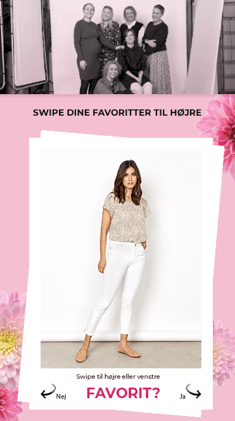
Soya Concept offers a clear example of this approach. Instead of targeting gift-givers, the brand focused directly on women shopping for themselves during the Mother's Day period, aligning with the seasonal shift into spring and summer wardrobes.
The campaign combined interaction with conversion:
- Objective: Collect preference data while driving sales
- Mechanic: A swipe-based experience where users liked or skipped outfit looks
- Incentive: Chance to win a full summer outfit
- Conversion: 25% discount code + link to new arrivals
The value goes beyond engagement. Each interaction provided real-time insight into consumer preferences, turning a seasonal campaign into a data source for future personalization. For retailers, this reinforces a key shift. Mother's Day is no longer just about selling–it's about learning what your customer actually wants, and using that insight to drive smarter assortments and campaigns moving forward.
Expanding the circle: capturing the "un-gifting" market
In recent years, the retail landscape has seen a rise in "Mother’s Day Opt-Outs". A growing segment of consumers who choose to disengage from traditional holiday marketing. For retailers, this isn't just a challenge in sensitivity; it’s a significant gap in potential revenue.
By pivoting to a self-gifting narrative, retailers can bridge this gap. This approach transforms Mother’s Day from an exclusive family event into a universal moment for self-recognition and wellness.
-
The inclusive advantage: Marketing "personal rewards" rather than "family surprises" allows your brand to remain relevant to those who may have complex relationships with the holiday, without losing the seasonal sales momentum.
-
Building year-round loyalty: When a retailer speaks to a woman as an individual, prioritizing her wellness and personal goals, it builds a deeper brand connection than a generic "Gift for Mom" campaign. You move from being a seasonal vendor to a lifestyle partner.
-
Neutralizing the opt-out: Instead of losing a customer for the entire month of May, self-gift messaging gives them a reason to stay in the funnel. It changes the call to action from "Buy for someone else" to "Prioritize yourself."
Looking ahead
This shift suggests that the future of seasonal retail lies in a deeper understanding of the individual behind the "Mom" label. By exploring self-investment themes and leaning into more personal, data-backed stock choices, retailers have the opportunity to redefine their relevance in an ever-changing landscape.
As Mother’s Day 2026 approaches, a central question remains: if the most influential customer in the room is now Mom herself, how will assortments, and brand stories, change to meet her?

.svg)